
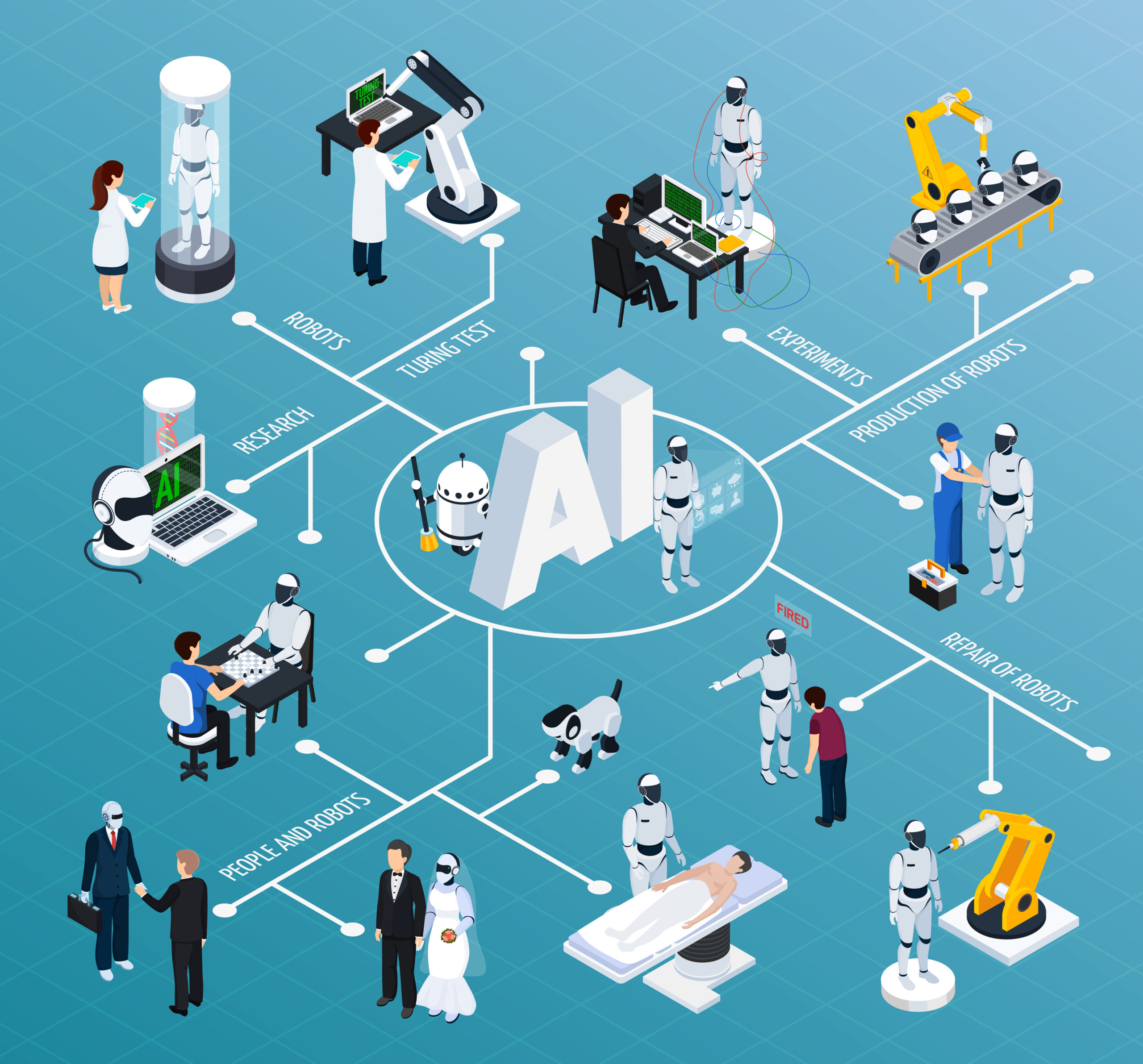
AI is undergoing a revolution as companies integrate intelligent systems that can think and act on their own, going beyond basic automation.
Agentic AI, a new generation of AI models that proactively plan, decide, and carry out tasks rather than merely reacting to directions, is at the center of this change.
Agentic AI is bringing about a revolution in AI that is comparable to the effects of the internet or the industrial period, changing everything from healthcare to finance.
This blog will discuss the true meaning of agentic AI, its significance, and seven compelling application cases that are revolutionizing several sectors.
What is Agentic AI?
Chatbots and recommendation engines are examples of traditional AI systems that are reactive. When given instructions, they do predetermined tasks. Agentic AI is a major breakthrough, though.
These self-governing “agents” of artificial intelligence are capable of so many things. For instance:
- thinking,
- multi-step activity planning,
- feedback taking, and
- decision-making under difficult circumstances.
Simply said, a search engine gives you links when you enter a query. Instead of you having to do any work, an AI agent may:
- research the subject,
- evaluate various sources,
- compile a summary, and
- provide it directly to your team.
Agentic AI is particularly useful for companies looking for efficiency, creativity, and flexibility due to its autonomy. In addition to being a step forward, it is the cornerstone of the continuing revolution in artificial intelligence.
Why Agentic AI is Driving the AI Revolution?
The revolution in AI is not just about smarter tools. It is about a complete shift in how work gets done. With agentic AI, industries can scale complex tasks that previously required human oversight, from medical research to policy planning.
Unlike rule-based automation, agentic AI systems can:
- Operate independently within defined goals.
- Adjust in real time to fresh facts.
- Connect several platforms and processes together.
- Deliver outcomes with minimal supervision.
This combination of autonomy and intelligence is why agentic AI projects are being rapidly deployed across industries, creating new benchmarks for efficiency and productivity.
7 Agentic AI Use Cases Across Industries
Here are seven transformative agentic AI examples proving why this is the next big leap in the artificial intelligence revolution.
- Healthcare
Healthcare sector is one of the biggest examples of artificial intelligence cases and applications.
Although healthcare has traditionally relied heavily on data, physicians find it difficult to stay up to date with the rapid advancements in this field.
By independently searching through millions of studies, evaluating available treatments, and suggesting individualized strategies for patients, agentic AI can serve as a medical research assistant.
Early healthcare agentic AI initiatives are already demonstrating how agents may enhance patient outcomes, medication development, and diagnostics.
- Finance
Since the financial industry depends so largely on real-time data, even little delays can result in enormous losses. Large-scale transaction monitoring, suspicious activity detection, and autonomous inquiry are all possible with agentic AI systems.
Autonomous agents are being used to give financial businesses a competitive edge in areas other than fraud, such as market predictions, compliance reporting, and portfolio optimization.
- Retail & E-commerce
Agentic AI use cases are transforming how companies engage with consumers, and the retail sector thrives on customisation.
Retailers can also anticipate demand, optimize inventory, and manage supply chains with the use of agentic AI.
- Manufacturing & Industry
Agentic AI initiatives are being used by factories more often in an effort to maximize output and minimize downtime.
Agents are capable of:
- Real-time machine monitoring,
- Anomaly detection, and
- Predictive maintenance scheduling before malfunctions.
Agentic AI is the foundation of smarter, more robust production in the era of Industry.
- Education
Examples of agentic AI demonstrate how individualized learning is replacing one-size-fits-all education. As personal learning agents, AI tutors may evaluate a student’s skills, pinpoint their limitations, and create individualized study schedules.
These systems are more than just assignment graders. While students benefit from highly customized learning experiences, teachers can focus on more advanced mentoring by automating repetitive tasks.
- Marketing & Customer Service
In marketing, agentic AI is transforming customer engagement. Instead of static campaigns, AI agents can design, launch, and optimize campaigns in real time.
In customer service, autonomous agents are equally powerful. Instead of reactive chatbots, agentic AI can:
- handle complex conversations,
- resolve complaints, and
- escalate issues when necessary.
- Government & Smart Cities
Agentic AI application cases are being investigated by governments and city planners in an effort to create safer and more intelligent societies.
AI agents are able to forecast crime hotspots for more effective law enforcement deployment, monitor traffic trends, and modify signals to ease congestion.
Making policies is another frontier. Public services may become more effective, transparent, and citizen-focused as a result of these agentic AI initiatives.
Still, there are some challenges and considerations that all the sectors must keep in mind before moving forward.
Challenges & Considerations in Deploying Agentic AI
The emergence of agentic AI presents both problems and enormous potential. Accountability, ethical considerations, and data privacy are still urgent problems.
When an AI that operates on its own commits a mistake, who is accountable?
How do we make sure that decisions are transparent?
In order to ensure that systems are moral, legal, and consistent with human values, businesses implementing agentic AI initiatives must strike a balance between autonomy and monitoring.
Establishing functioning will be just as crucial as establishing confidence.
The Future of Agentic AI
The revolution of artificial intelligence has only just begun. In the upcoming days, humans and AI agents will collaborate seamlessly as a team. These systems will handle everything.
With further acceptance, agentic AI use cases will expand across all industries, evolving AI from an assistant to a completely autonomous coworker.
The AI revolution has moved beyond the capabilities of robots. It concerns the future and how AI and people will collaborate to build it.
Conclusion
Many instances of agentic AI illustrate the significant change we are witnessing. Its fields range from government and education to healthcare and finance. Intelligent tools are not the only aspect of the revolution in AI. Rethinking processes, sectors, and opportunities is the goal.
The companies that adopt this AI revolution first will be the ones in charge in the future.
Investigating and funding agentic AI technologies is crucial today, before the next wave of change pushes slower adopters to the wayside.